
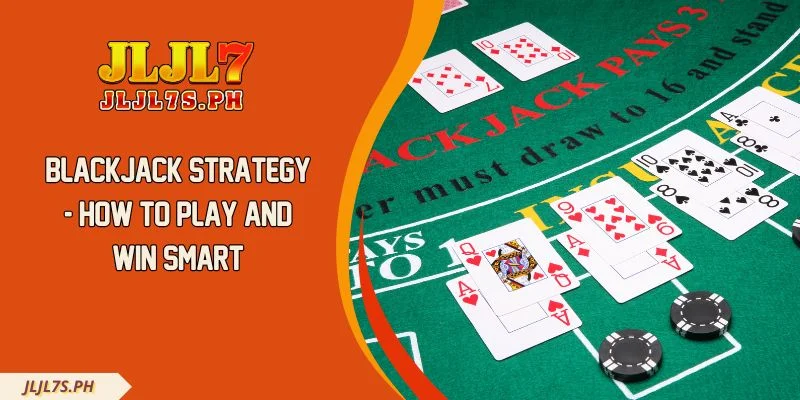
Blackjack remains a top favorite among casino table games across the globe. The game offers a blend of chance and decision-making that appeals to all levels of players. Gameplay is fast, dynamic, and rooted in strategic choices at every turn. With jLjL7, discover how to master rules, place smart bets, and win consistently.
Your essential guide to playing blackjack like a pro
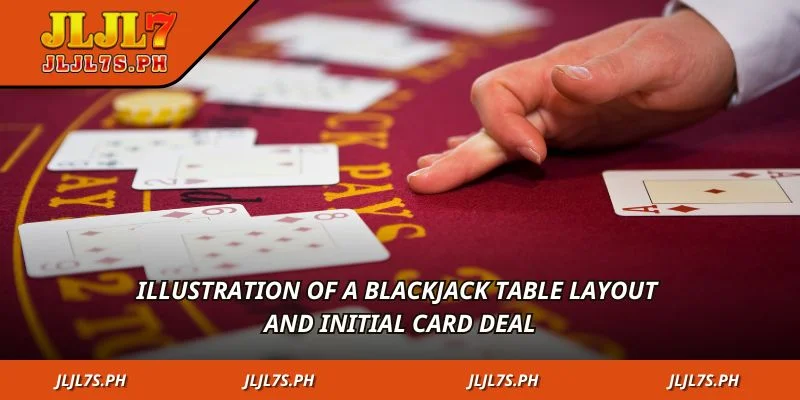
Understanding the structure of the game is crucial before diving into wagers and tactics. This section explains what happens from the moment the cards are dealt until the hand ends. Learn the rules, the purpose of each action, and how to read the table flow confidently.
Core principles and fundamental rules of blackjack
The game begins when the dealer receives two cards. Success depends on forming a hand that’s under or exactly at 21, without crossing the threshold. Face cards count as 10, number cards retain their value, and aces can be worth 1 or 11. Players make choices like hit, stand, double down, or split, based on their total and the dealer’s visible card. A natural 21 from the initial deal is called a “blackjack” and wins instantly unless the dealer also has one.
Card values and dealer actions
Each hand revolves around card values and how both the player and dealer respond to them. In blackjack, once players act on their hands, the dealer reveals their hidden card and must follow strict rules: hitting until reaching 17 or more. No strategic discretion is used by the dealer, only set protocol. Should the dealer’s hand exceed 21, the rest of the players automatically succeed. The interplay between fixed dealer actions and player decisions defines the game’s rhythm.
Hitting, standing, and special moves
Players must assess risk constantly. “Hit” means taking another card, while “stand” means ending your turn. If the initial two cards are a pair, a “split” can be made to form two separate hands. “Double down” allows a single extra card after doubling the original bet. Mastery of these options based on dealer upcards and hand totals is central to building winning strategies and improving outcomes over time.
Read more Baccarat Game Guide – Learn Rules Bets, And Payouts
Everything you need to know about placing Blackjack bets

Betting in the game isn’t just about how much to wager, but where and when. Understanding betting structures and limits helps manage bankroll effectively. This section breaks down betting rounds, side bets, and how tables vary.
Main betting process
Before cards are dealt in blackjack, players must place their main bet in the designated circle or box. Once cards are revealed, this initial bet applies to the entire hand unless a split or double down occurs. All outcomes, win, lose or push, are resolved based on this wager. Consistent base bet sizing allows players to track wins and losses efficiently, while erratic betting can distort long-term expectations and bankroll discipline.
Doubling down and splitting
Advanced bet actions in blackjack include “doubling down” and “splitting.” Doubling down involves doubling your wager in exchange for only one additional card. This is often done with totals of 9, 10, or 11. Splitting allows you to play two hands if dealt a pair, each requiring an equal second bet. These bets expand opportunities but also increase risk. Knowing when to use these tactics depends heavily on strategy charts and experience.
Insurance and side bets
Some game tables offer optional wagers like “insurance,” which protects against a potential game dealer if their face-up card is an ace. Insurance pays 2:1 but statistically favors the house, making it a poor long-term play. Side bets, like Perfect Pairs or 21+3, add flair and payout multipliers for specific card combinations. While entertaining, these extras typically carry higher house edges and should be used sparingly for those playing strategically.
How to successfully meet the necessary criteria to win Blackjack
Winning in the game involves more than luck, it requires structure and situational analysis. This section explores what counts as a win, how payouts work, and key benchmarks. Understanding these criteria is essential for setting realistic expectations at the table.
What qualifies as a win
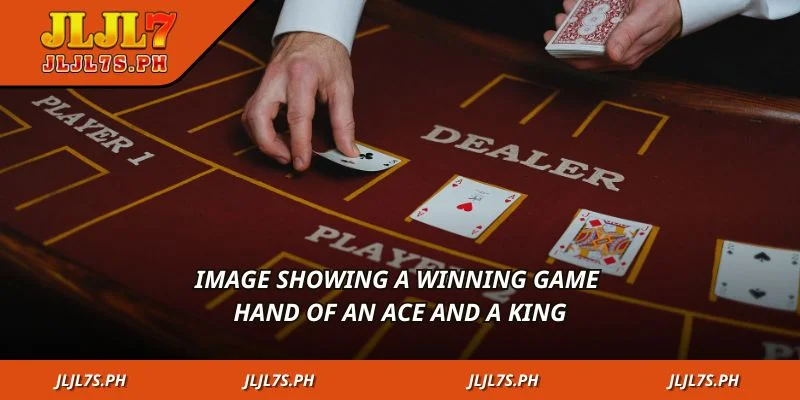
In game, you win by either having a higher hand total than the dealer without busting or if the dealer busts while your hand remains valid. A tie is called a “push” and returns your original bet. The highest winning scenario is getting a “natural” blackjack, an ace and a 10-value card on the first two cards, payouts for which are typically higher than standard wins. Recognizing these outcomes enhances your decision-making accuracy.
The game payout ratios
Standard game wins pay even money at 1:1. However, a natural often pays 3:2, which means a $10 bet pays $15. This rate can vary, some casinos offer only 6:5 or worse, reducing value significantly. Insurance bets pay 2:1, but rarely justify their risk. Side bets can offer payouts up to 30:1, depending on combinations. Knowing which tables offer favorable payout ratios helps players maximize their winning potential and avoid hidden disadvantages.
Impact of house edge
The house edge in game, the statistical advantage the casino holds, can vary from under 1% (with perfect basic strategy) to over 2% (with poor play or bad payout rules). Factors that influence the house edge include the number of decks, dealer hit/stand rules on soft 17, and availability of actions like surrender. Reducing this edge through smart play is how consistent blackjack players can outlast short-term variance and improve overall profitability.
Conclusion
Blackjack is more than a game of chance, it’s a blend of math, patience, and skill. Understanding how to play, place bets wisely, and meet clear winning benchmarks is essential for any player looking to succeed. Whether you’re a beginner or refining your advanced strategy, keeping the house edge low is the ultimate goal. With jLjL7 as your go-to guide, elevate your play and conquer the table with confidence using the power of the game mastery.
Read more Asian Handicap – Odds Breakdown and Winning Tactics





